
Semaglutide Plateaus: Why Some Consider Adding Tirzepatide or Retatrutide?
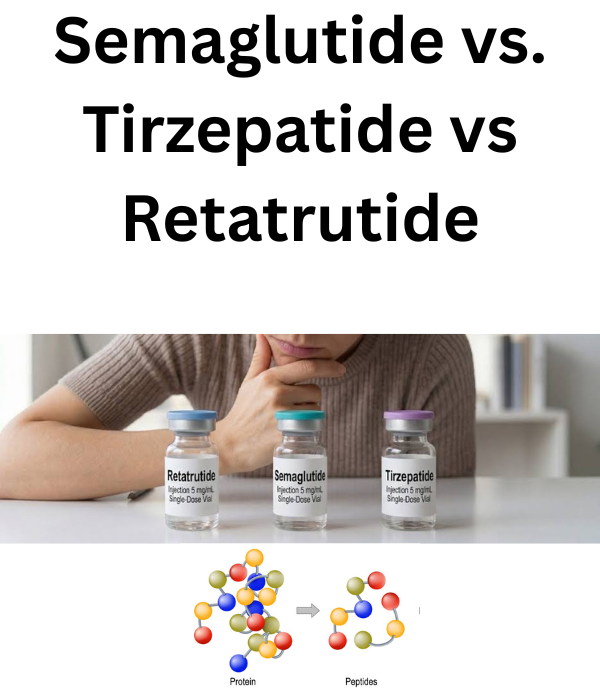
If you have been using Semaglutide for weight loss, you might have experienced the frustrating moment when you hit a weight loss plateau. It means that after a specific point, your weight loss journey might have stopped all of a sudden. You are doing everything right, including staying active, maintaining your diet, and following your protocol. Even after following your weight loss routine with the utmost dedication, the progress has stalled.
The plateau phenomenon is a common experience that is leading many to explore the next-generation options, like Tirzepatide and Retatrutide. We are here to dive into the science behind why these plateaus happen and to gain insights into the mechanism-level differences between these peptides. On a sidenote, many researchers now study these 3 different GLP agonists and buy them online from reputable labs, in order to save costs and get quality research-grade peptides. One of quality-tested labs is CellPeptides who supply researchers all around Europe and USA.
Gaining Insights Into the Semaglutide Plateau
Semaglutide, which is marketed under brand names like Wegovy and Ozempic, has undoubtedly revolutionized weight management. As a GLP-1 receptor agonist, this peptide functions by mimicking the glucagon-like peptide-1 hormone. This hormone is responsible for improving insulin sensitivity, slowing gastric emptying, and regulating appetite. For many users, the initial outcomes are impressive. They have reported improved metabolic markers, reduced cravings, and consistent weight loss. However, here is a catch. Our bodies are highly adaptive machines. After several months of treatment, different factors can contribute to a plateau.
Your metabolism might adjust to the lower calorie intake. Also, there will be changes in your body composition as you might have lost muscle along with fat. In turn, your metabolism rate might have slowed. With time, your cellular receptor sensitivity might shift. Furthermore, as you lose weight, your body needs fewer calories to maintain its smaller and new size. It means what once created a calorie deficit might now be a maintenance level.
The Single-Receptor Restriction
The basic challenge with semaglutide lies in how it works. Yes, it is a mono-agonist, and it targets only GLP-1 receptors. Indeed, the single pathway is powerful as it denotes just a single piece of the metabolic puzzle. However, it misses out on the full work of metabolic regulation.
This is where the focus shifts to triple and dual agonists. Clinicians and researchers are opting for tirzepatide and retatrutide for those experiencing reduced weight loss results from semaglutide.
Tirzapatide – The Dual-Agonist Advantage
Tirzapatide is available in brand names like Zepbound and Mounjaro. This peptide represents the next improvement in metabolic therapy. Compared to semaglutide’s single act, tirzeptide is a dual agonist. Meaning, it targets both GIP and GLP-1 receptors at the same time.
Why Does This Matter?
GIP plays a complementary yet unique role in metabolism. While GLP-1 basically suppresses appetite and slows digestion, GIP improves fat metabolism and insulin secretion. It may actually help preserve lean muscle mass during weight loss. Some studies suggest GIP also influences how the body stores and burns fat at the adipose tissue level.
According to clinical trials, tirzepatide has shown to produce greater weight loss compared to Semaglutide. Some users have lost 20 to 25% of their body weight with tirzaptide compared to 15 to 18% using semaglutide. However, more than the numbers, the dual mechanism might offer a different route for those whose bodies have adapted to GLP-1-only stimulation.
If you have plateaued on semaglutide, you might add the GIP element. This addition will activate a simultaneous metabolic pathway that has not been stimulated continuously. It is something similar to suddenly opening a second lane on a highway with the utmost traffic. Your body will get a fresh capacity for metabolic traffic to flow.
Retatrutide: The Triple-Thread Approach
Now, it is time for us to gain more knowledge about the cutting edge: Retratrutide. This is an investigational peptide. It is a triple agonist. It targets GCG (Glucagon), GIP, and GLP-1 receptors. Yes, you have guessed it right! It actually activates glucagon receptors, which might seem counterintuitive as glucagon typically raises blood sugar levels.
Nevertheless, the glucagon element in Retratrutide appears to considerably improve fat oxidation and energy expenditure. Glucagon receptor activation promotes the breakdown of stored fat, improves metabolic rate, and might help maintain lean muscle mass during weight loss. Early clinical data suggest that this peptide might produce even more considerable weight loss compared to tirzapatide. Potentially, it might help lose around 23 to 30% of body weight.
For those who have stopped losing weight on single or even dual agonists, retatrutide’s triple mechanism offers yet another angle of metabolic modulation. It is a complete orchestra that plays to achieve increased energy expenditure, improved fat metabolism, better insulin sensitivity, and appetite suppression. When all these things happen together, you can get out of your weight loss plateau.
The Mechanism-Level Comparison
So, here comes the question: why do people particularly compare adding these options rather than just switching? The answer depends on metabolic flexibility and receptor biology.
When you have been on semaglutide for months, your GLP-1 receptors have been consistently activated. Your body has made adaptations around this signaling. When you introduce tirzepatide, it does not just enhance GLP-1 stimulation, but also recruits a wholly different receptor system that has not been pharmacologically focused. In the same way, retatrutide adds the glucagon pathway in the combination.
Another way, is to play around with the dose, mainly, increasing it if the patient sees no viable effects. In case of researchers or options that require manual mixing – peptide calculator is a good tool in order to calculate and visually see the correct dosage.
Some patients and practitioners explore sequential therapy or combination approaches. However, it is important to remember that research on combining these medications continues to be limited. The theoretical benefit is that you are addressing different metabolic pathways at the same time. In turn, you can potentially overcome the adaptation that caused the plateau.
The Bottom Line
Semaglutide plateaus are real, and they can be frustrating. However, they are also an opportunity to re-evaluate your approach to your weight loss journey. Gaining insights into the mechanism-level differences between semaglutide, tirzepatide and, retatrutide empowers you engage in informed discussions with your healthcare provider about the best path to choose.